

An overview of digestion and the building blocks of the human body
Digestion is a complex process and the objective of the entire process is to provide energy for sustenance of the human body. The human digestive system consists of the digestive tract and other organs that are necessary for the digestion of food, absorption of nutrients, and elimination of waste.
Digestion is the Chemical Breakdown of Foods

The stages of digestion
The stages of digestion can be divided into three distinct phases – cephalic, gastric, and intestinal.
In the first phase, the cephalic phase, the brain sends a signal to the stomach that it should be ready to receive food. The sight and smell of food triggers the signaling from the brain. It results in the gastric juices beginning to flow.
In the gastric phase, the entry of food into the stomach and subsequent distension of the organ causes the release of gastrin and the smooth muscle contractions begin. The conversion of pepsinogen to pepsin occurs. Interestingly, the stomach can stop acid secretion if the environment inside gets excessively acidic. If the luminal pH falls to below 2 then acid secretion is halted for some time.
In the intestinal phase, the liquefied food is transferred to the small intestine. The small intestine regulates the emptying of the stomach by sending nervous and endocrine signals. This is done to ensure neutralization of the stomach acids and proper absorption of the nutrients.
Cooking and Cutting Helps Pre-Digest Food

Digestion is responsible for breaking food down into energy
Energy is required for all body functions. Dietary energy is commonly given in the units of calories or kilocalories. Certain nutrients in the food provide energy to the body. These nutrients are called macronutrients and they are fats, carbohydrates and protein. Our bodies are very efficient in storing energy for future use. Stored energy is primarily in the form of fat tissue. Energy cannot be created or destroyed. If you consume less energy than what your body requires, weight loss will occur. If you consume more energy that what you expend, the energy is stored in the form of fat tissue. The surgery helps you to limit the intake or absorption of calories to 1200 to 1400 calories, which is enough to maintain a stable weight. The body requires energy for the following three processes.
- Basal metabolic rate (BMR): This is the amount of energy needed to maintain normal body functions such as heart rate, blood circulation, filtration and other involuntary processes of the body. This is where most of the consumed energy is allocated. You can increase your BMR if you build up your lean muscle mass.
- Energy is needed for the processing of the food.
- Physical activity. Physical activity in addition to the activities of the daily living will result in burning more energy or calories. This will also help a person build up their lean mass which results in a higher BMR.
Protein
Protein is a macronutrient that provides 4 calories/gram. Protein is not stored in the body and should be replenished on a daily basis. Protein helps the body to heal, maintains tissues and cells and fights infection. Muscles and internal organs are made up of protein. Good sources of protein are meat, fish, poultry, dairy, beans, nuts and eggs. Protein content is different in different foods.
Muscle and Protein
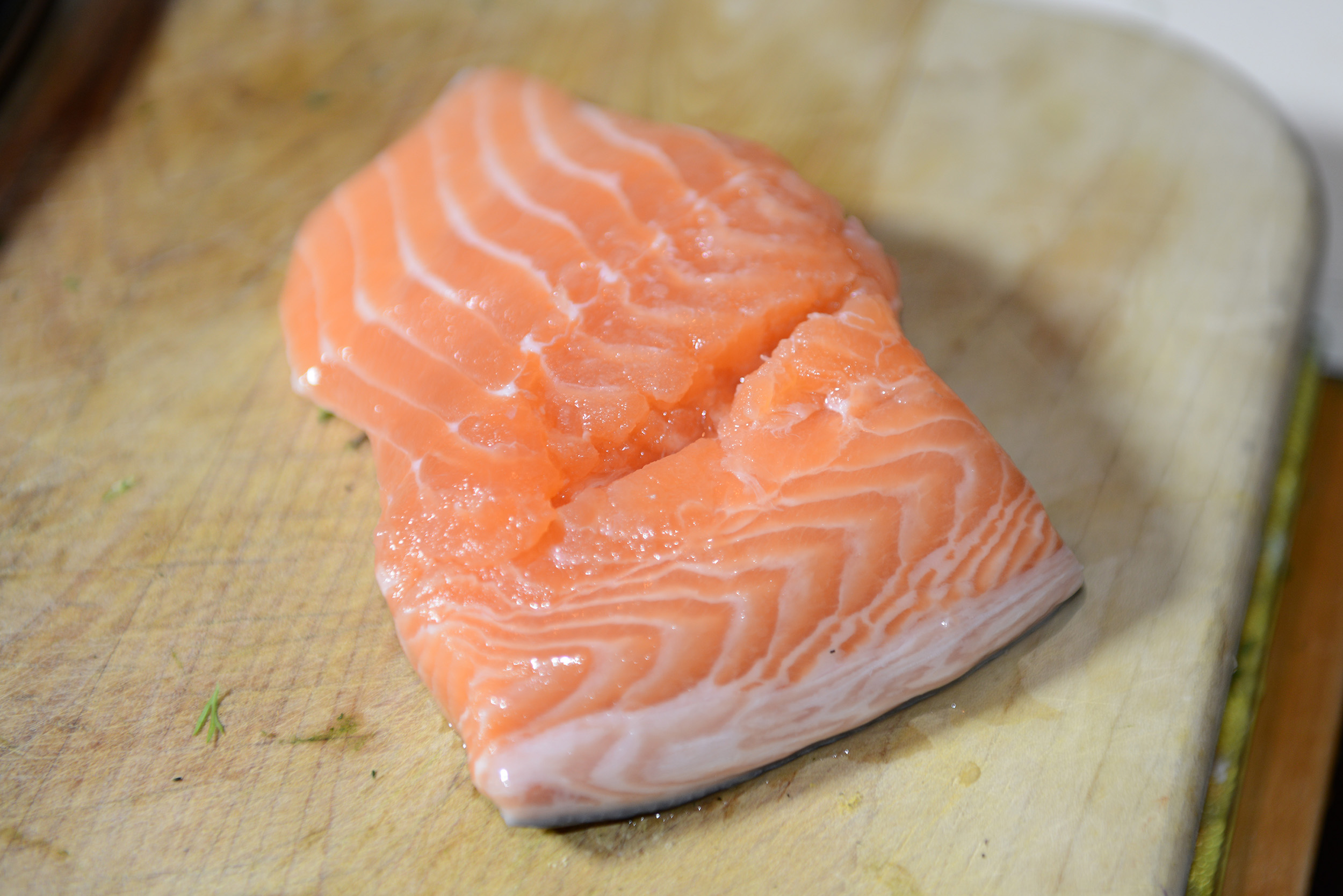
Milk provides 8 grams of protein per 1 cup serving. 1 ounce of meat, fish, poultry or cheese will provide 7 grams of protein. Beans, nuts and eggs provide 5 to 6 grams of protein per serving. When using nuts as a source of protein, it is important to focus on the serving size. Nuts are very high in fat and average about 15 gm of fat per serving. A serving is usually 1 ounce which is equal to 2 tablespoons or 1/3 cup.and could contain 150-200 calories per serving. Protein content in yogurts varies according to brand and preparation. Choose a yogurt that provides high protein content such as Greek yogurt.
Carbohydrate
Carbohydrate is also a macronutrient that provides 4 calories/gram. They are the principal energy source. Brain cells and blood cells can only use glucose as their energy source. There are two types of carbohydrates – simple and complex. The simple carbohydrate includes table sugars, refined or processed flour and sweetened beverages. They are digested very easily and raise the blood sugar rapidly. Processed foods like cookies, cakes and pies are considered to be simple carbohydrates.
Even Complex Carbohydrates Contain Calories

Complex carbohydrates include fiber and whole grains. They also have some protein in them. They are recommended for you. They are absorbed slowly and provide more nutrients compared to simple carbohydrates. The body requires about 150 to 180 grams of carbohydrates each day of which 75 percent should be from complex carbohydrates.
Do NOT consume more than 40 grams of SUGARS each day. Sugars are listed under the Total carbohydrates in a nutrition label. Good sources of complex carbohydrates are whole wheat products, oatmeal, barley, vegetables, and fruits.
Fats
Fats provide 9 calories/gram. The primary function of fat is to provide energy and insulate internal organs. There are four types of fats – saturated, trans, monounsaturated and polyunsaturated fats. Saturated fats are the fats that come primarily from animal sources such as butter. They are solid at room temperature. Trans fats are also solid at room temperature, for example, shortening or lard. They are generally found in processed foods like cookies, pastries, etc. Both saturated and trans fats are unhealthy for the heart and can increase the “bad” cholesterol levels, leading to heart attacks.
Fats should be used Sparingly

Mono unsaturated fats (MUFA) and polyunsaturated fats (PUFA) primarily come from plant sources such as vegetable oils, nuts, and grain oil. They are heart healthy and should be chosen over saturated and trans fats. Omega 3 fatty acids are also considered heart healthy. They are found in fatty fish such as salmon. Regardless of the type of the fat, keep you fat intake below 40 grams each day as they provide more energy per gram.
Micronutrients
These are the vitamins and minerals needed by your body for normal functioning. They have to be ingested as the body cannot prepare its own micronutrients. After bariatric surgery, you must take vitamin supplements, iron, calcium and vitamin B12 for the rest of your life.
Lobster as a source of Protein and Micronutrients