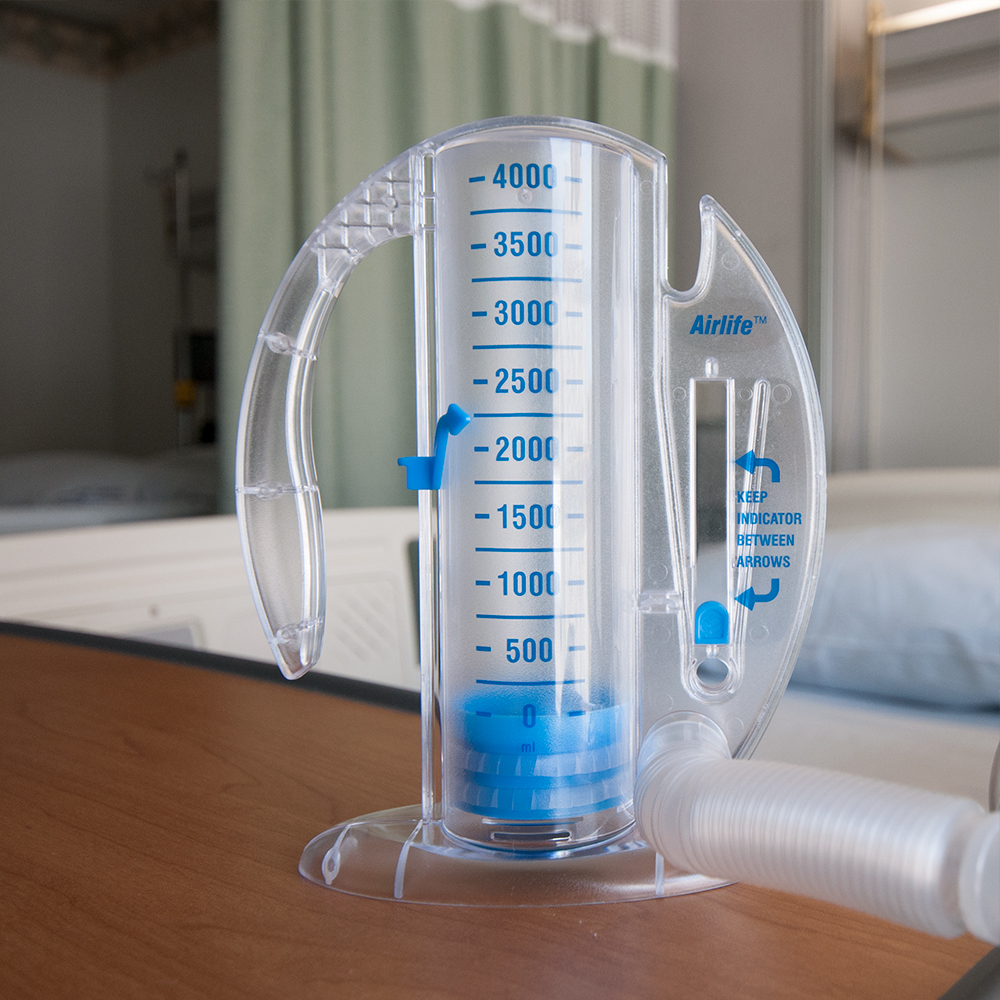

You must set yourself up for success with regards to an operation. Please sincerely consider whether you are at a good time in your life to undergo elective surgery. These considerations include your personal motivations for surgery and whether you can arrange your life as best possible to ensure the best possible outcome. You need to practice good health both before and after your operation.
The Timing of Urgent and Elective Surgery
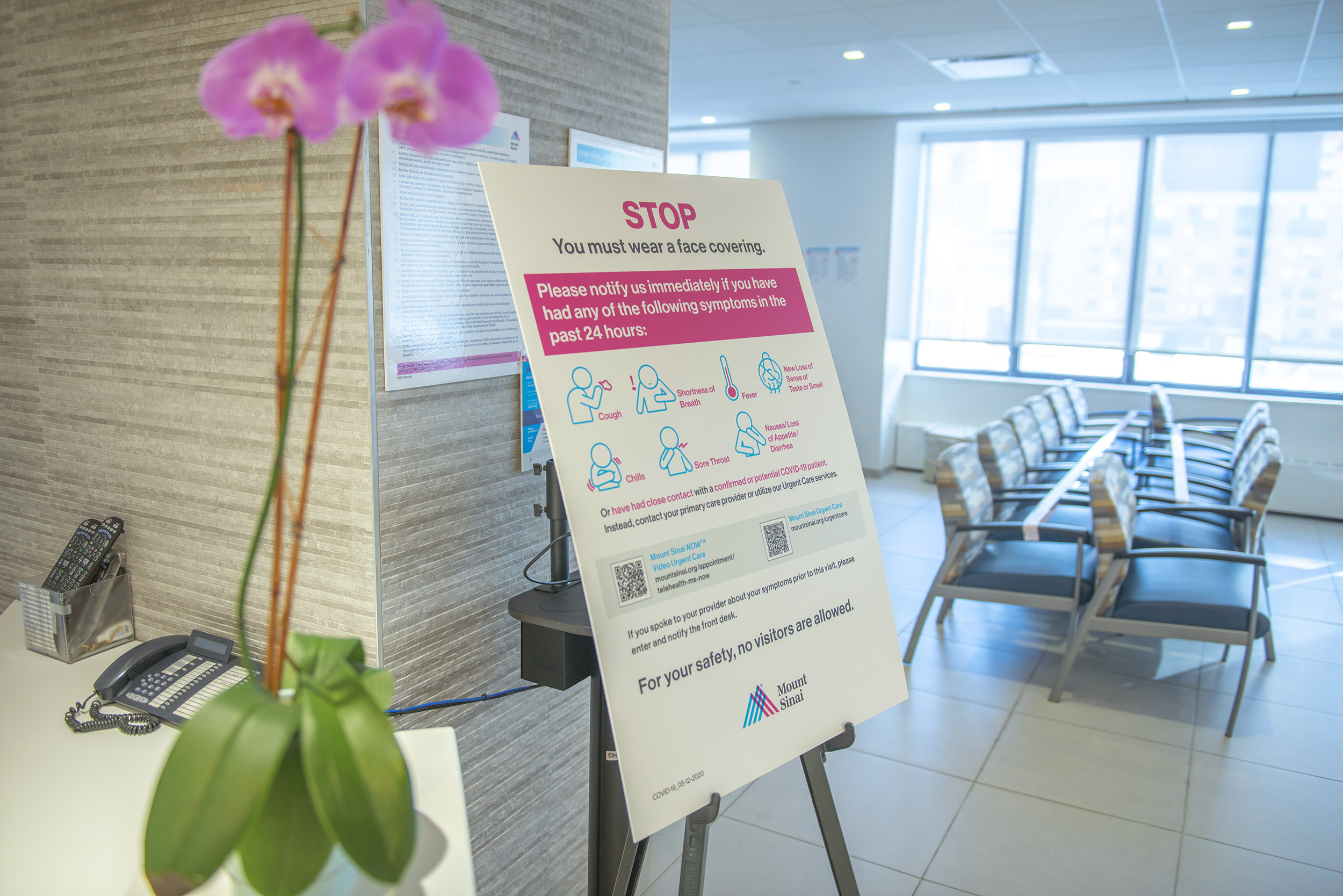
The following instructions are essential to a safe experience and good outcome. If you are unable to comply with these instructions, you must notify our office as soon as possible. As a result, your surgery may have to be postponed or delayed, at the judgment of Dr. Belsley. This is essential to your health and safety.
A successful surgery requires a partnership between you and Dr. Belsley.
There may be several weeks between your decision to have surgery and your actual surgical date. During that time, there are several important considerations:
Surgery requires cutting and recovery
Prepare and plan
Schedule any time off of work and any support you will need at home in the days following surgery, including housework, childcare, shopping and driving. Make certain a responsible adult is enlisted and confirmed to drive you to and from surgery and that someone is confirmed to be available to stay with you around the clock for 24 hours after your arrival home.
Discipline and Planning
Practice proper fitness
You need not engage in an aggressive or new fitness routine; however practicing good fitness habits is an important factor in your overall health and well-being. Stretching exercises and low-weight strength training now can help to enhance your posture and your strength in the weeks following surgery.
Good nutrition.
Eat well during the weeks prior to surgery. Crash dieting, over-eating or high alcohol intake can greatly affect your overall health and well-being. A healthy, balanced diet is essential.
Stop smoking
Smoking can greatly impair your ability to heal. Ideally you must be nicotine and smoke-free for at least 6 weeks prior to surgery.
Lead a healthy lifestyle.
In the weeks prior to surgery, maintain the best of health and hygiene. A lingering cold, virus or other illness can result in your surgery being rescheduled. Make certain to address any illness immediately and advise our office of any serious illness or change in your health.
Relax and enjoy life.
Stress and anxiety over life’s daily events and even your planned surgery can affect you. While some anxiety is common, any serious stress or distress over the thought of surgery is something you must discuss with our office. We are here to support you and answer all of your questions. We want your decision to be one made with confidence.
Proper State of Mind