Home Laparoscopic.MD
  • Office
      1. The Team
        1. Dr. Belsley
          • Publications
          • Credentials
      2. The Visit
      3. Telehealth
      4. directions
      5. Insurance
      6. Get Started
  • Concerns
      1. Advantages
      2. Preparation
      3. Operative Day
      4. Recovery
      5. When to Call
  • Bariatrics
      1. Our Program
        1. The Process
        2. The Quiz
        3. The Hospital
      2. Nutrition
        1. PRE-OP
        2. Hospital
        3. Clear liquids
        4. Purée
          • Puréed Animal-Based Protein Sources
          • Puréed Plant-Based Protein Sources
        5. Solids
        6. Long-Term
          • Recipes
      3. Supplements
        1. Vitamin B12
        2. Calcium
        3. Iron
        4. Protein
      4. Health
        1. Sleep Apnea
        2. Diabetes
        3. Heart disease
        4. Cholesterol
        5. Acid Reflux
        6. Cancer
        7. Depression
        8. Osteoarthritis
        9. Incontinence
        10. Female Health
        11. Microbiome
        12. Truncal Obesity
      5. Bypass
        1. Changes
        2. Surgery
        3. Gut Hormones
        4. Video
      6. Sleeve
        1. Changes
        2. Surgery
        3. Gut Hormones
      7. Revision
      8. Change
        1. Recovery
        2. Issues
          • Challenges
          • Excess Skin
          • Hair Loss
        3. Pregnancy
          • Birth Control
      9. BMI Calculator
  • Weight Loss
      1. Digestion
        1. Esophagus
        2. Duodenum
        3. Stomach
        4. Intestine
        5. Gallbladder
        6. Liver
        7. pancreas
        8. omentum
        9. Colon
        10. Gut Bacteria
        11. Spleen
      2. Behavior
        1. Action
        2. Maintenance
        3. Mindful Eating
        4. Motivation
      3. Exercise
        1. Getting Started
        2. Motivation
        3. Gear
        4. Location
        5. Stretching
        6. Aerobic
        7. Strength
        8. Injury
      4. Support
        1. First Thoughts
        2. Food Addiction
        3. Walking
        4. Childhood
        5. Stress
        6. Choices
        7. Stigma
  • Laparoscopy
      1. Adrenalectomy
      2. Colon
      3. Esophagectomy
      4. Gallbladder
      5. Pancreas
      6. Reflux
      7. Splenectomy
      8. Achalasia
  • Hernia
      1. Inguinal
      2. Ventral
        1. Abdominoplasty
        2. Parastomal
      3. Paraesophageal
Enter the terms you wish to search for.
  1. Laparoscopic.MD
  2. Photo Gallery

A category of different approaches to treatment that are considered non-conventional as against western allopathic treatment which is considered the standard form of medicine to be practiced by doctors. Traditional Chinese medicine, ayurveda, aromatherapy, homeopathy, acupuncture, naturopathy, etc are some of the forms of medicine and healing that come under alternative medicine. Alternative medicine is not a part of the syllabus taught in medical schools. Alternative medicine has gained mainstream popularity over the past few years mainly because these therapies are largely drug-free and for thousands of years they have been yielding results in the lands of their origin and wherever they have been practiced. Allopathic practitioners often combine aspects of alternative medicine for treating their patients.

English
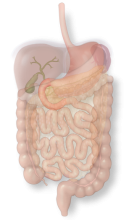
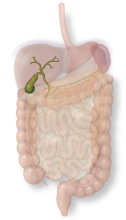
Gallbladder helps digest fatty foods

Gallbladder

The gallbladder concentrates and stores bile as a pear-shaped sac which it can release to help digestion after a fatty meal.

Duodenum as C-shaped tube

Duodenum

The duodenum is a C-shaped tube that receives food from the stomach and prepares it for chemical digestion further along in the intestines.

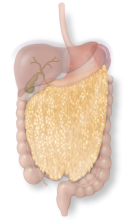
Fatty foods likely to add to abdominal fat

Omentum

The omentum is a fatty apron that serves a protective role and helps filter immune responses to gut bacteria.

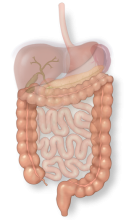
Colon stores broken down food waste

Colon

The colon is a large tube that stores feces and also contains helpful bacteria that breaks down food that has not yet been absorbed.

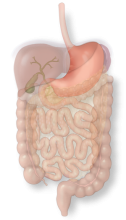
Stomach churns and breaks down foods

Stomach

The stomach is a muscular sac that is important for absorbing food and preparing food for further digestion.

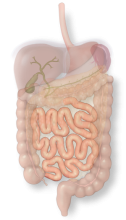
Small Intestine and Nutrient Absorption

Intestine

The small intestine is a long tube where the majority of nutrients are absorbed.

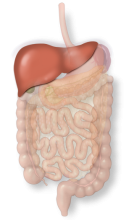
Liver breaks down fat and detoxifies

Liver

The liver is a solid organ that produces bile for fat digestion and is also the first stop for the majority of absorbed nutrients.

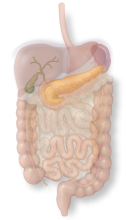
Pancreas provides enzymes to digest food

Pancreas

The pancreas is a gland that produces chemicals for food break-down as well as a hormone system that regulates sugar.

Our Office

Scott Belsley, MD, FACS is a board-certified laparoscopic surgeon based in New York City

Book an Appointment
  • When to Call
  • Preparation
  • Recovery
Topics
Glossary Frequent Questions
Terms of Use

Please use the information on the site only as a source of future questions to your doctor.


Copyright © 2026 – All Rights Reserved.